
Every community room has one. It’s the spot by the kitchen door where the floor has worn down to a dull gray path, or the tile corner that’s been curling up since before anyone can remember. We step around it at every potluck, and somebody always says, “We really ought to fix that.”
Fixing it is a group project, and it goes better with a plan. These steps work for a fellowship hall, a club meeting room or a small nonprofit office. If you have a grown kid running a shop or nonprofit out in Colorado, the commercial flooring contractors Denver owners talk to will expect answers to many of the same questions. Here are seven things every volunteer crew should know before the old floor comes up.
1. Walk the room and write down the trouble spots
Start with a clipboard and twenty minutes. Walk the whole room slowly, including the corners behind the stacked chairs and the strip in front of the serving window. Write down every spot that catches a foot or a cane tip, plus anywhere that looks worn, stained or loose.
Take a few photos while you’re at it. When the committee meets, a picture of the curling tile by the back door settles more debates than any description. It also gives the professional you call later a head start.
2. Ask who uses the room, and how
A floor that suits a quiet Tuesday book club may not suit a Saturday pancake breakfast. Make a quick list of every group that uses the space and what they do there. Think about rolling carts, folding tables being dragged, spilled coffee, muddy boots in a wet spring and kids racing laps after a meeting.
Pay special attention to the older folks. Neighbors who use walkers or canes notice every bump and slick spot, so ask them directly what bothers them about the current floor. They’ll tell you, and they’ll appreciate being asked.
Don’t forget the people who use the room after hours or on weekends. The youth group, the quilting circle and whoever runs the bake sale may have needs nobody on the committee has thought about.
3. Put together a sign-up sheet for clearing the room
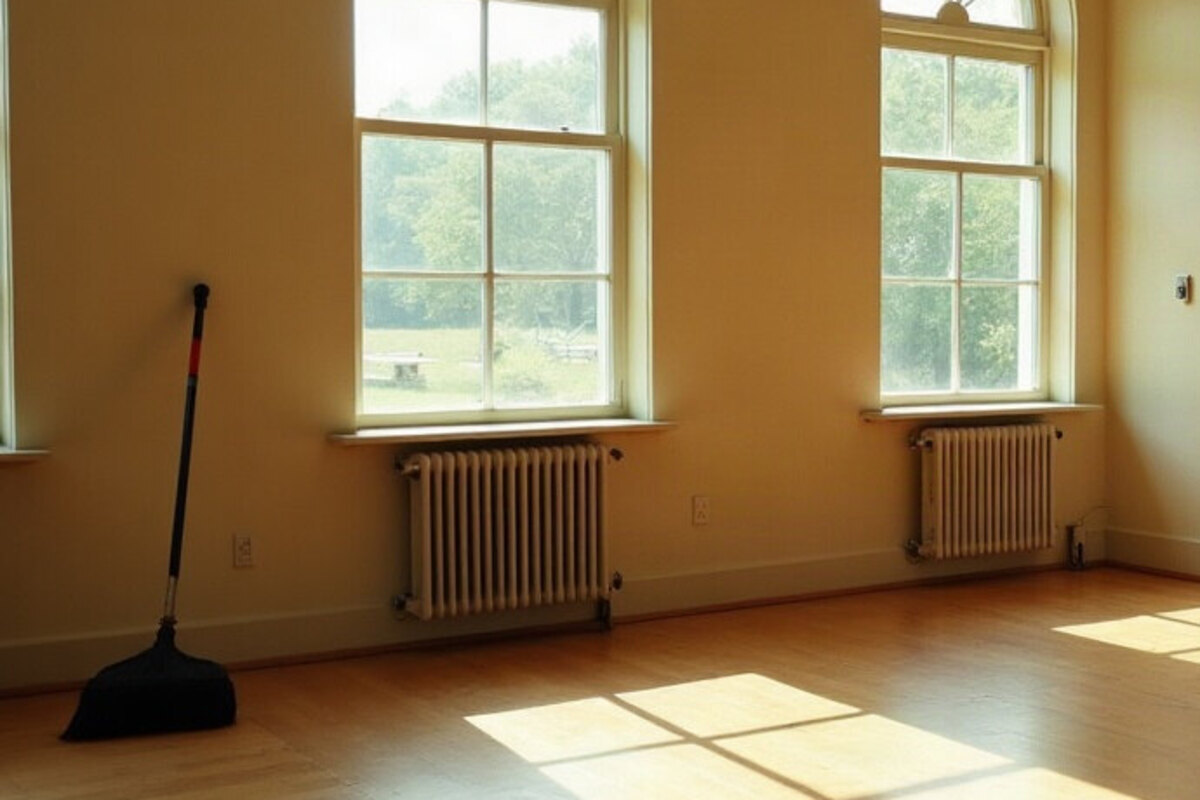
Before anyone can measure or install, the room has to be empty. That means chairs, tables, the piano that nobody wants to move, the coat rack and the boxes of holiday decorations in the corner. This is where a volunteer crew shines.
Here’s how I set up the sheet:
- A morning shift and an afternoon shift, three or four people each
- One person in charge of labeling where everything goes back
- Two strong backs for the heavy furniture, plus a couple of dollies
- Someone bringing water, coffee and a box of doughnuts
Ask the teenagers, too. A couple of high schoolers looking for service hours can clear a room faster than the rest of us combined.
Neighbor to neighbor: Getting three neighbors involved is easier than getting thirty. Ask one person to bring their pickup, one to borrow a set of furniture dollies, and one to text the rest of the group the time. Then make sure whoever has the bad knee is in charge of the coffee and the clipboard, not the piano.
4. Agree on what the new floor has to handle
Committees can spend months arguing about colors. Skip that for now and agree first on what the floor needs to do. Does it need to stand up to rolling carts? Clean up easily after a chili supper? Feel steady underfoot for someone using a walker? Handle wet boots during an ice storm week?
Write the answers on one page. That page becomes your brief for every conversation that follows, and it keeps the group focused on how the room gets used rather than on whose favorite shade of brown wins.
5. Get the decision-makers in one room
Nothing stalls a project like a decision that needs one more person’s say-so. Find out early who has to approve the work and the spending, whether that’s a board, a committee or a couple of longtime members who hold the keys.
Set one meeting, bring the trouble-spot photos and the one-page brief, and leave with a clear yes on the next step. Assign one point person to talk with contractors, so the company isn’t fielding calls from six different volunteers with six different questions.
Keep the members in the loop, too. A short note in the bulletin or the group text explaining why the room will be closed, and for how long, heads off a lot of hallway grumbling. People are far more patient with a project when they know the plan and when they’ll get their room back.
6. Bring in a professional for the floor itself
Volunteers are great at clearing rooms, painting trim and feeding the crew. The floor itself is a job for a professional. A shared space sees heavy foot traffic, and a good installer will look at what’s under the old floor, talk through materials that suit your list and explain how long the work will take.
Ask each company you talk to the same questions, and write the answers down. How will they handle the old flooring? How long will the room be closed? What should the group do before they arrive and after they leave? A careful contractor will be glad you asked.
Then schedule around the calendar. Look at the school year, the holiday season and the groups that meet weekly, and pick a stretch when the room can sit empty without anyone being left out in the cold.
7. Plan the reopening and the care routine
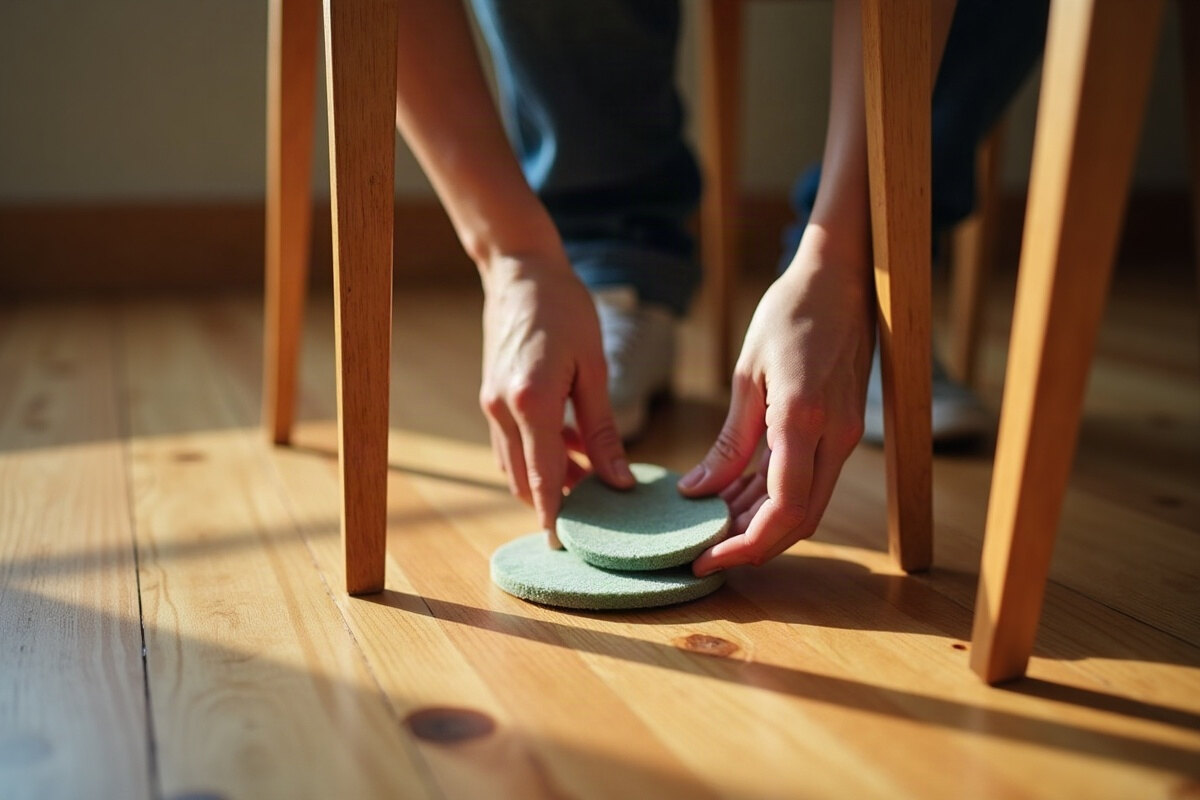
A new floor deserves a little ceremony. Once the work is done and the contractor says the room is ready, put the furniture back with felt pads on every chair and table leg. Add mats at the doors for the muddy months.
Then start a cleaning sign-up sheet so the floor gets a regular sweep and mop instead of one big scrub a year. Ask the installer how they’d suggest caring for it, write those tips on an index card, and tape it inside the supply closet door so every volunteer can find it.
Finally, celebrate. A potluck on the new floor is the best thank-you a volunteer crew can get, and it reminds everyone that the room belongs to all of us.
One more thing
Every room like this has a few people who’ve kept it running for years without being asked. When the new floor goes in, thank them by name at the potluck, and make sure the neighbor who can’t stand for long gets the first chair at the first table. And if your group is thinking about its own floor, pass this list along to whoever holds the clipboard.
See you at the sign-up table.

